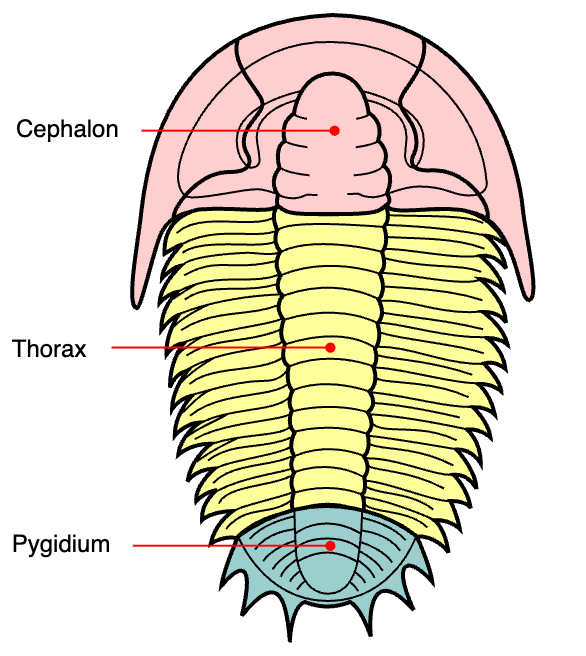
I’m super excited about this summer! I was accepted to a competitive research program called Stanford Young Investigators. I’ll be in the History of Life and Biodiversity group of interns who will help a postdoctoral scholar, Dr. Mark Nikolic, with his research on trilobites.
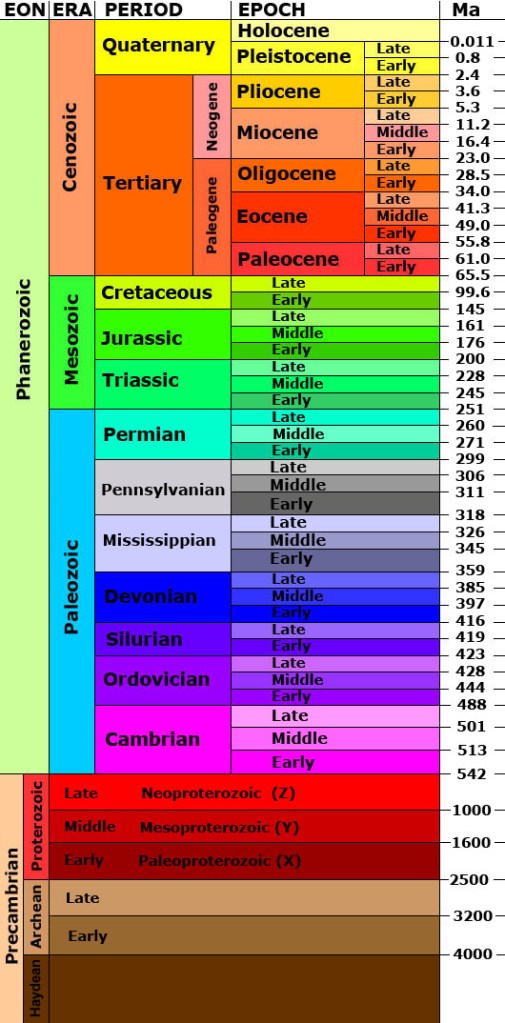
Trilobites are fascinating creatures because they were one of the most successful organisms on Earth, living from the Early Cambrian period up until the Devonian mass extinction (almost 270 million years!). This makes them one of the most successful classes of organisms in history, being on the Earth significantly longer than the non-avian dinosaurs (i.e., birds). Because they have hard shells that fossilize well and were widespread for so long (over 20,000 species identified by paleontologists!), trilobites can help us understand our planet’s past. These fossils can shed light on evolutionary trends, how creatures respond to changing environments, and more. Trilobites survived two of the five mass-extinction events in Earth’s history, before disappearing in the Devonian mass extinction.
Researchers tend to study large trilobite fossils because they are easier to find. With Dr. Nikolic I will be working on a bulk site assessment to better understand all the trilobite fossils from a location, including the small ones. I’m really excited and looking forward to the results of the research.